| Specification |
Value |
| Publisher |
Azbuka |
| Page Count |
392 pages (Volume I) |
| Weight in Ounces |
~37.0 oz (approx. 2.3 lbs) |
| Dimensions in Inches |
6.14 x 9.21 x 0.74 inches |
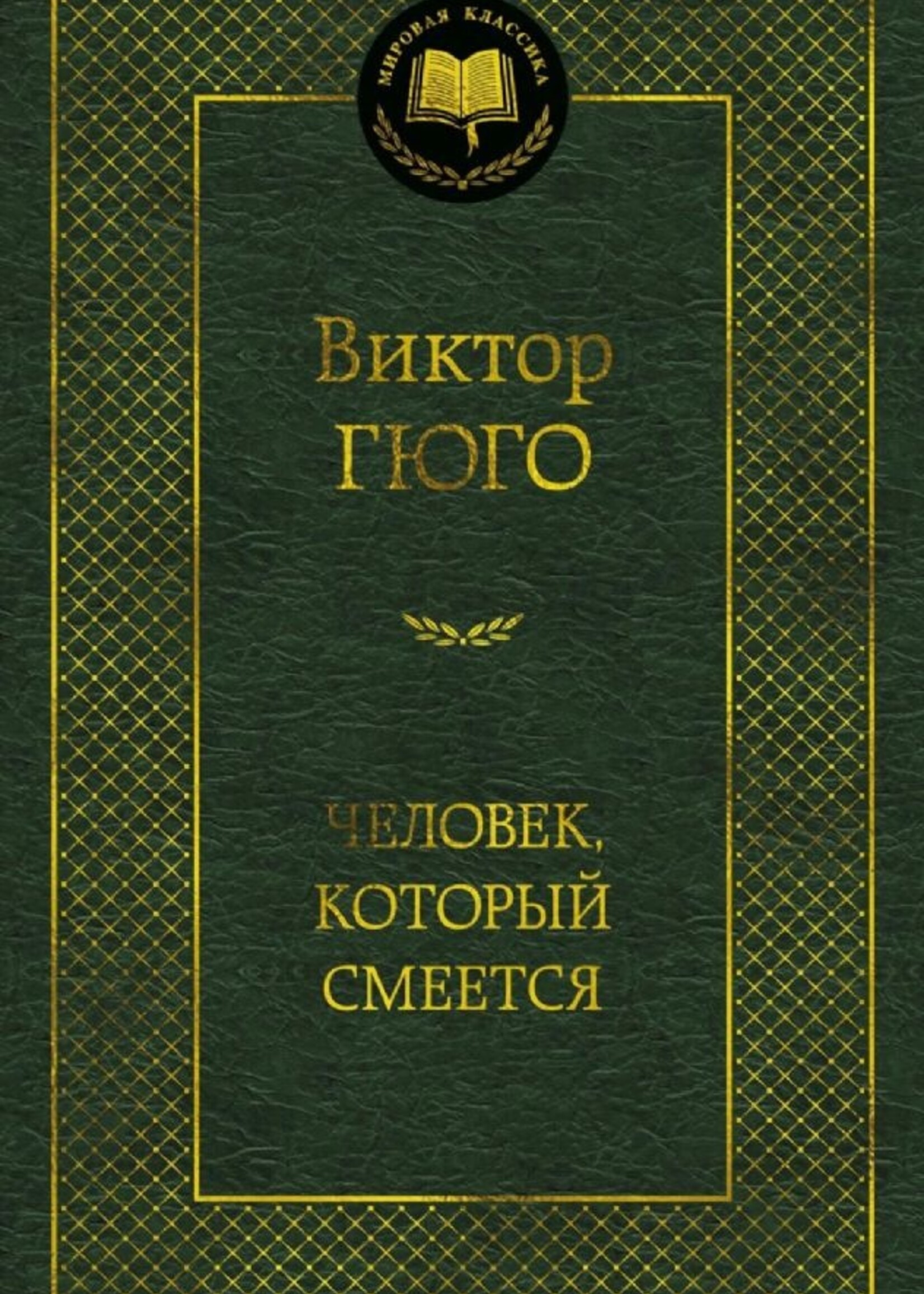
"The Man Who Laughs" (L'Homme qui rit) is one of Victor Hugo’s most profound and politically charged novels. Set in late 17th and early 18th-century England, it is a haunting masterpiece of Romantic literature.
Plot Summary:
The story follows Gwynplaine, a young heir kidnapped as a child by "comprachicos" — criminals who mutilated children for profit. They carved a permanent, grotesque grin onto his face, intended to evoke laughter. Abandoned in the snow, Gwynplaine rescues a blind baby girl, Dea. The two are taken in by Ursus, a wandering philosopher-performer with a pet wolf. Years later, Gwynplaine’s noble lineage is revealed, thrusting him from the humble stage into the House of Lords, where he attempts to speak for the oppressed poor.
Key Themes:
- Appearance vs. Reality: Hugo explores the duality between Gwynplaine’s distorted exterior and his noble soul, mirrored by Dea’s inner vision which sees beyond physical form.
- Social Criticism: The novel is a fierce indictment of the aristocracy. The laughing mask of the protagonist becomes a symbol of a downtrodden populace, mocked by a callous ruling class.
- Tragedy and Fate: The narrative is deeply atmospheric and tragic, illustrating how personal happiness is often crushed by the machinery of society and power.
Cultural Legacy:
Beyond its literary merit, the novel is famous for its visual influence; Gwynplaine’s haunting image (specifically from the 1928 film adaptation) was the primary inspiration for the creation of DC Comics' The Joker.